
The working capital, on the other hand, is an absolute dollar amount and determines the cash and other liquid assets a business has to cover its short-term debts. With this in mind, HighRadius offers cutting-edge, advanced tech right from its Treasury and Risk – automated cash management and cash forecasting solutions. While it is technically possible for capital employed to be negative, it is not a desirable or common situation. In general, capital employed represents the total amount of funds that a company has invested in its operations, including both equity and debt financing. A negative capital employed figure would imply that a company has more current liabilities than the total of its fixed assets, investments, and current assets.

QuickBooks
- These comparisons indicate whether the business is stronger, weaker, or on par with peers, guiding management in identifying competitive advantages and areas for improvement.
- The operating cycle is the number of days between when a company has to spend money on inventory versus when it receives money from the sale of that inventory.
- A high ratio indicates that the business is in a strong liquidity position, with enough assets to cover liabilities.
- The method of calculating invested capital differs from that of working capital.
- The working capital ratio is calculated by dividing current assets by current liabilities.
- A working capital ratio between 1.2 and 2.0 is generally considered healthy.
If you don’t think you’ll have enough funds to keep growing your company, then injecting shareholders’ equity into your business could also help you stave off any loss in growth. You can then pay your supplier with the https://wordpress-882978-4545439.cloudwaysapps.com/individual-income-tax/ cash generated from sales and purchase more inventory. “Bank of America” and “BofA Securities” are the marketing names used by the Global Banking and Global Markets division of Bank of America Corporation.
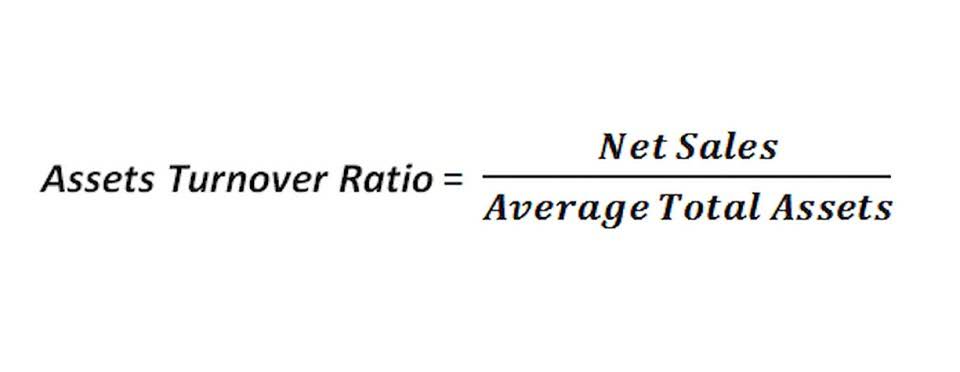
What Is Financial Ratio Analysis?

Short-term liabilities include accounts payable — money you owe vendors and other creditors — as well as other debts and net sales accrued expenses for salary, taxes and other outlays. Working capital is not something flashy or exciting, but it quietly decides if a business feels steady or constantly stressed out. The working capital ratio is used by businesses and stakeholders to determine the availability of current assets to settle short-term debts.

Quick Excel Tutorials
- AI-led accurate forecasts unlock trapped cash and act before liquidity dries up.
- The sum of the company’s current assets, including accounts receivables, cash, marketable securities, and inventories, is known as gross working capital.
- The latter objective can be achieved by doing the same on the accounts payable side of operations.
- Conceptually, working capital represents the financial resources necessary to meet day-to-day obligations and maintain the operational cycle of a company (i.e. reinvestment activity).
You can complete the calculations of working and invested capital easily using the Daftra accounting software, which provides these calculations automatically and accurately. If your ratio is veering toward the danger zone – or you just want some extra breathing room – reach out to us at Eboost Partners. We’ve got loan amounts ranging from $5K to $2M, flexible terms, and automatic payment options to suit your business’s rhythm.
What is the Invested Capital Return Equation?

The cherry on top – our out working capital ratio of the box integration with all major banks provides businesses with rapid access to bank statements and help categorize cash into inflows and outflows. Businesses can determine the amounts of current assets and current liabilities from the balance sheet. The working capital ratio is directly proportional to current assets and inversely related to current liabilities, serving as a fundamental measure of a business’s financial solvency.